
In May 2024, Australian Monjin; Wynton and Glen travelled to Kumamoto for two weeks of intensive training under the tutelage of Soke Uhehara Eriko and the Shihan Yamamoto Takahiro joined by Markus, a Monjin from Austria along with two Japanese Monjin – Shinagawa-san from Hiroshima as well as Fukanaga-san from Saga branches.
Over these two weeks, the group travelled across Kyushu to conduct Keiko (training) as well as cultural education as part of their progression within Taisha Ryu. This included visits to historical site, religious temples and shrines. Such as the Nabeshima castle (once home to a significant branch of Taisha Ryu, as written about in Kaichu: Unravelling the Cords), the Hosokawa Clan family Temple, where Maria Gracias and Todaoki whom are the inspiration to the characters Mariko and Buntaro in the book Shogun, recently made into a TV series. Also, the final resting place for Miyomoto Musashi, interestingly Musashi’s grave has a pagoda which is usually mounted with limestone of the Five Elements: Earth, Water, Fire, Air & Void. However, because Musashi’s soul was never quenched he had “Double Fire” elements on his grave!!
Throughout the training period, the group were reviewing and refining lessons learned as well as deepening their understanding of the hidden meanings to a lot of the true messenges and meanings hidden within the teachings from Marume Kurando’s curriculum. One finds that the deeper one learns the kata new information is revealed. It is this, that is a significant part of the journey for Koryu and Taisha Ryū.
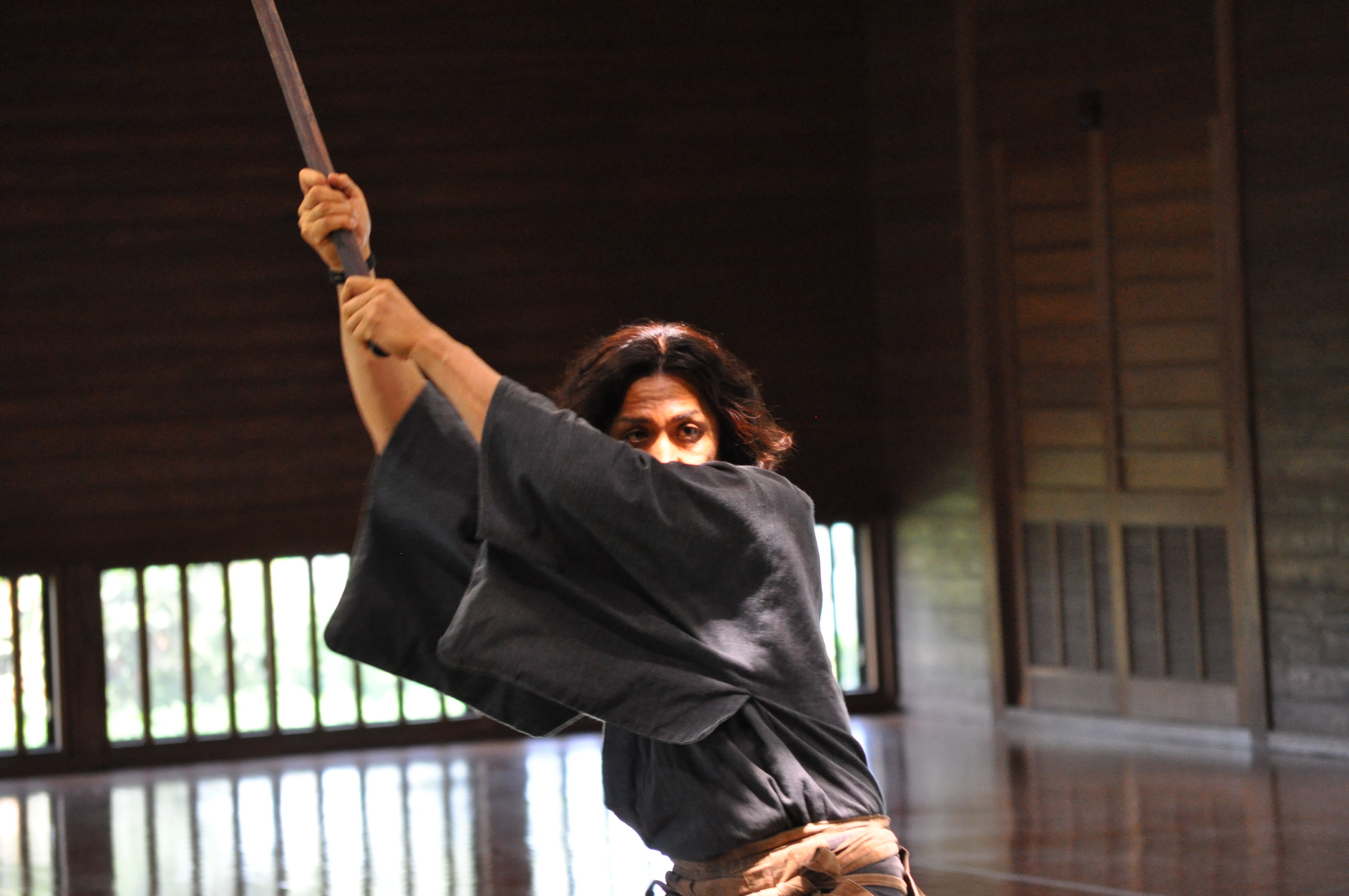
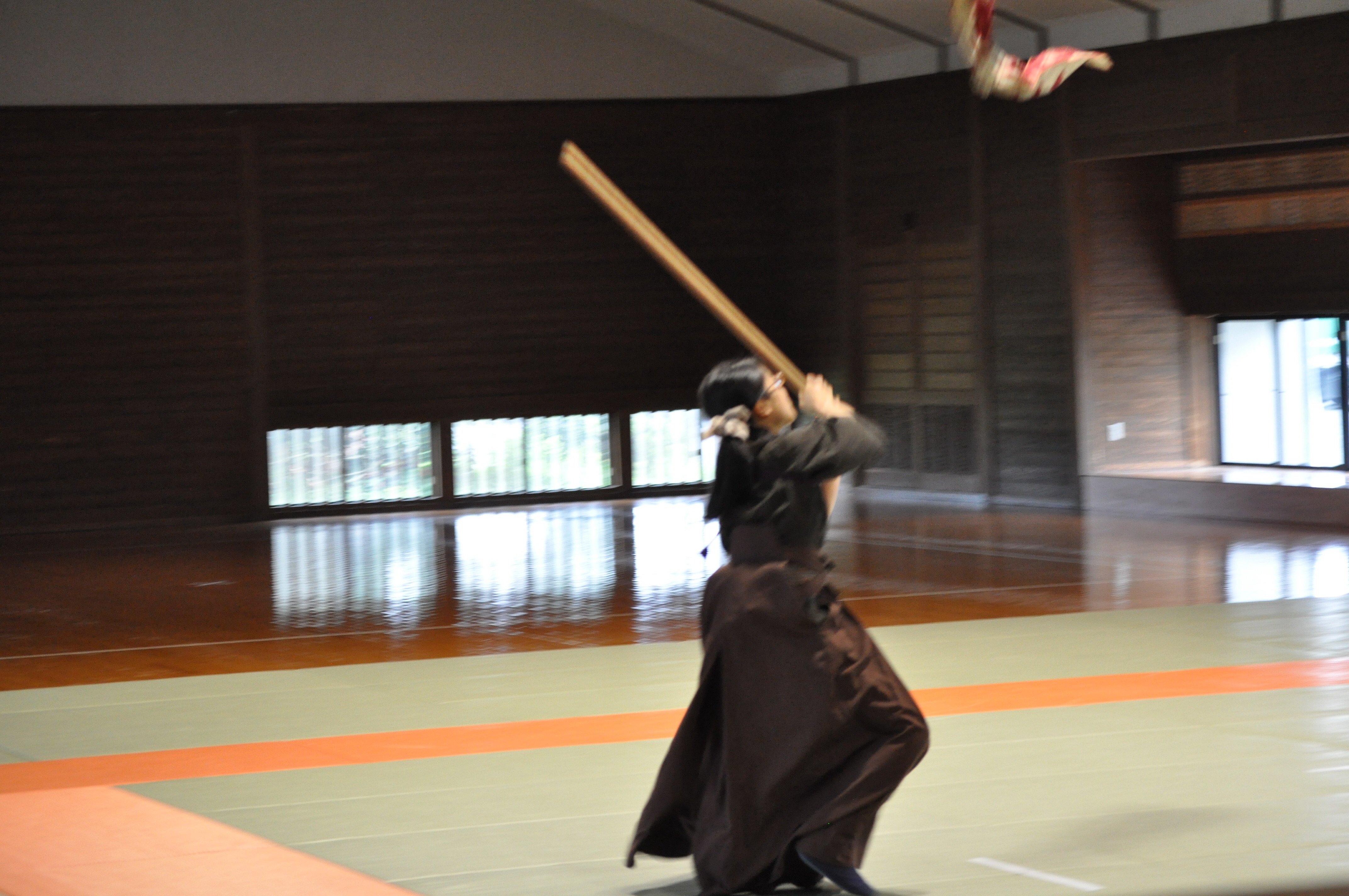
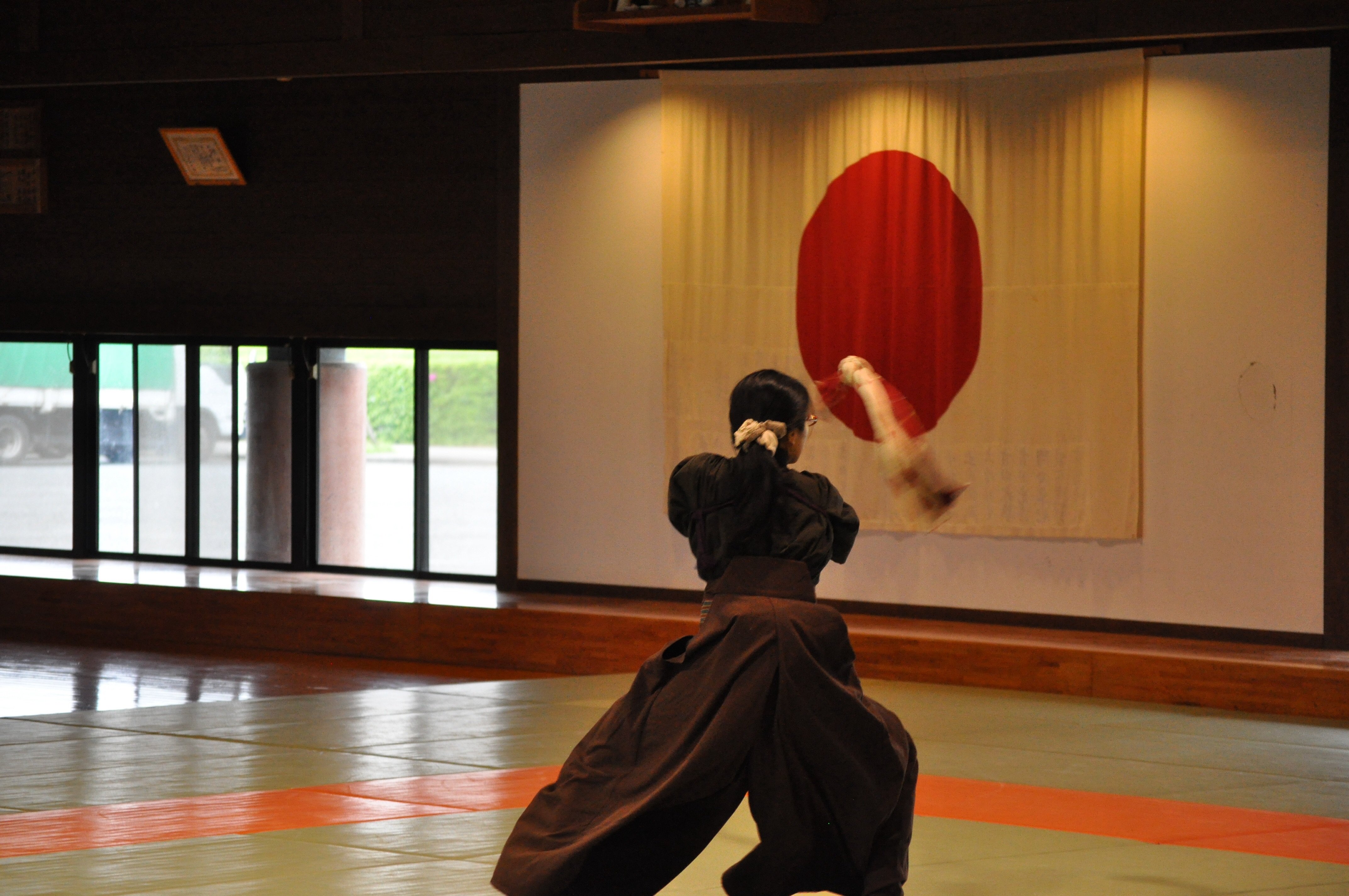
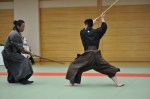
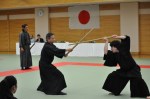
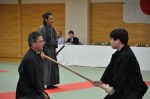
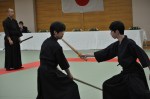
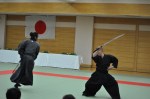
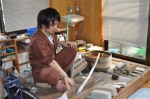
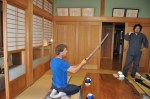
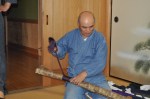
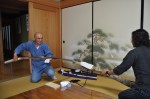
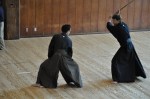
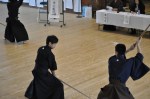
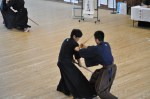
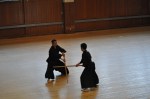
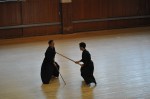
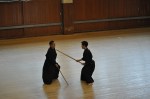
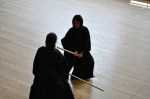
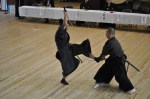
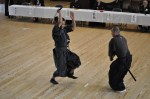
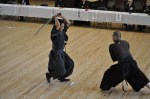
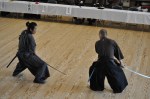
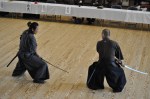
As the training moved along, the group deepened their Odachi (long sword with bokken) and also started to view the kata within the combative application of the katana. This new exposure led into revision of Battojutsu (drawing of the sword) and Noto (returning the sword to saya/scabbard) in the Taisha-ryūway. These movements are hard to see with the untrained eye as what makes Taisha Ryū different is its employment of body control. Though it may look like we are cutting with a sword, we are really cutting with our body, the weapon just happens to be there at the time. This is technique that must be taught in fine detail to be learned over a period of time with training and practice and cannot be mimicked.
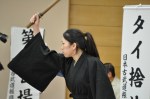
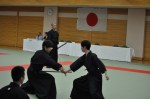
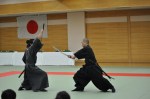
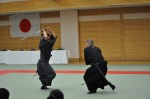
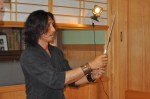
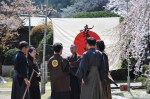
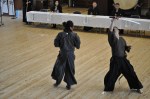
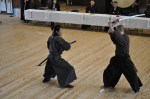
Over the next few days we covered Kodachi (short sword) revision and managed to have some new fun with archery before preparing for our performance (embu) in Hitoyoshi, where Taisha-Ryū was founded in 1571. As the training closed, the end the group slowly began to break away and our goodbye’s were all said. One thing that is true with the Taisha-Ryū family, regardless of geography or cultural background there is a bond we share that is unique and valued by all.




















































 Taisha-ryu Kenjutsu study group Australia